
Author name: Admin

Why You Should Hire Local Concrete Contractors
Uncategorized

Why You Should Hire Local Concrete Contractors

When you start any concrete project, the contractor you choose matters a lot. And if you live in Milwaukee, hiring a local concrete contractor is almost always the best choice. Many homeowners fear paying for bad work, chasing unreliable contractors, or hiring someone who doesn’t understand Milwaukee’s harsh weather. Some people even end up with no help once the job is done. We hear these problems all the time, and that’s exactly why going local makes a big difference. Local contractors understand your area, your needs, and the challenges your concrete will face. Let’s look at how choosing a local concrete contractor can save you time, money, and stress. Benefits of Hiring Local Concrete Contractors 1. Local Knowledge and Expertise Milwaukee weather is unique. We deal with harsh winters, snow, freeze–thaw cycles, and road salt—all of which can damage concrete if the wrong mix or techniques are used.A local contractor knows: The right concrete mix for Wisconsin winters How to pour in cold or hot conditions When not to pour How to protect concrete during curing Which sealers last the longest here Non-local contractors simply don’t understand these local conditions, and that leads to cracks, sinking slabs, and early damage. 2. Better Knowledge of Local Building Codes and Permits Milwaukee has its own rules for residential concrete, drainage requirements, thickness guidelines, and permits. A local contractor already knows these codes and can handle approvals quickly.This saves you time and prevents project delays. 3. Faster Response Time Local contractors don’t need to travel far. They can schedule estimates quickly, reach your home faster, and respond to issues without delay. If the weather changes at the last minute, as it often does in Milwaukee, a local installer adjusts quickly to protect your project. 4. Personalized Customer Service Local businesses rely heavily on reputation. They live here. Their customers are neighbors. Their reviews matter.So you get: Honest communication Proper guidance Respectful service Updates throughout the project People who actually pick up the phone That level of care is rare with out-of-town companies. 5. Support Your Local Economy When you hire a local concrete contractor, your money stays in Milwaukee. It supports local workers, families, and small businesses. This strengthens the local economy and encourages better service because contractors feel a sense of responsibility to their community. 6. Proven Track Record in Your Area You can visit past projects, talk to real customers, and see real results.Local contractors already have: Completed concrete driveway repair & installation work  in your neighborhood Patios, you can check in person. Reviews from Milwaukee homeowners Experience with local soil and property styles Their work is visible, not hidden behind online ads. 7. Cost-Effectiveness Some non-local contractors include hidden charges for travel time, fuel, or equipment transportation.Local professionals don’t need this. You only pay for the actual work, not for them to drive across counties.They also have: Local suppliers Local material connections Lower overhead This usually means better pricing for you without compromising quality. 8. Ongoing Support and Maintenance Concrete needs care, sealing, inspections, and repairs. A local contractor: Comes back for maintenance Offers yearly inspections Provides long-term support Fixes small issues early And because they’re close, they don’t make excuses or disappear when help is needed.Here you can read why concrete crack and its maintenance tips. 9. Proper Licensing, Insurance, and Certifications Local contractors follow Milwaukee and Wisconsin regulations. They carry the right insurance and certifications required for concrete work. This protects you if something unexpected happens during the project. 10. Dependability and Timely Completion Because they’re nearby, local concrete contractors stay on schedule. They can: Start on time Monitor your project closely. Adjust to weather changes. Finish without delays They care about doing a good job because you’re part of their community. 11. Warranty and Post-Project Support Local companies stand behind their work because they know you can easily reach them, sometimes literally down the street.You get: Real warranty coverage Local repair support Help with settling, cracks, or sealing. No “disappearing after the job” behavior Out-of-town contractors may not even return your call after finishing the job. You Know Where to Find Us: At Curbside Concrete, we’re right here in your Milwaukee. Unlike local companies, we live and work locally, so we’re easy to reach whenever you need us. Just give us a call or we’ll be there quickly. (414) 279-4447 Being local means we know Milwaukee’s neighborhoods, weather, and building challenges. You get faster service and personal attention, and you can relax knowing your concrete project is in good hands with people who care about your home and our city. Conclusion: Choosing a local concrete contractor in Milwaukee isn’t just about getting someone to pour concrete. It’s about hiring people who understand your weather, soil, and how things work in your city. Local teams show up on time, communicate better, and stay available even after the job is done. They care about their reputation because this is their community, too. If you want a job that lasts and a contractor you can trust, going with a local Milwaukee expert is always the smartest choice.
Why Concrete Cracks and How to Prevent It
Uncategorized

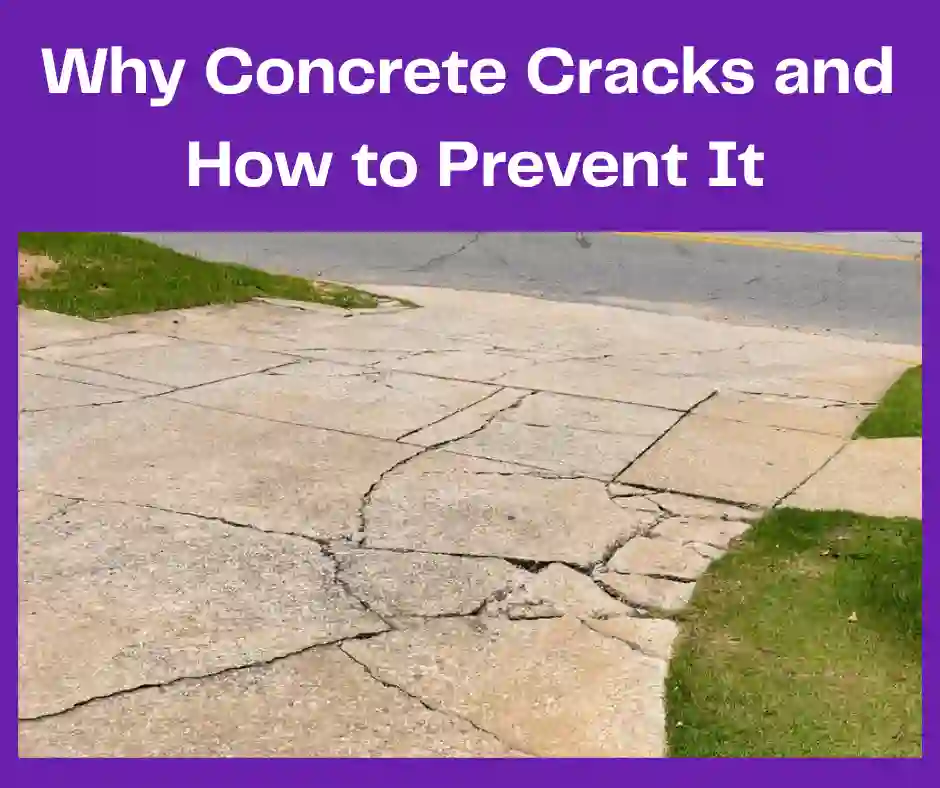
Why Concrete Cracks and How to Prevent It

Concrete is strong, But it can crack if the conditions aren’t right. If you understand why cracks happen, you can stop a lot of damage before it starts. This guide explains the real reasons concrete cracks and what you can do to protect it. Why Does Concrete Crack? Concrete cracking is common. Even perfectly installed concrete can develop hairline cracks. But there are clear reasons behind them. 1.  Shrinkage While Drying Concrete shrinks as it dries. When the water evaporates, the slab gets tighter and pulls from the inside. This tension creates small cracks, especially when the mix has too much water. Shrinkage cracks usually appear soon after installation. 2. Freeze–Thaw Cycles Milwaukee weather is tough on concrete. Moisture enters tiny pores in the slab. When winter comes, the water freezes and expands. When it melts, the concrete contracts again. This repeated pressure causes cracks on the surface and inside the slab. 3. Heavy Loads and Traffic Driveways, garage floors, and concrete sidewalk and walkways take a lot of weight. Cars, trucks, snow blowers, and even storage items can stress the concrete. Over time, too much weight creates cracks, especially if the slab wasn’t reinforced properly. 4. Weak or Poor Soil Conditions Concrete needs a solid base. If the soil underneath is soft, uneven, or not compacted, the slab can sink or shift. When the ground moves, the concrete moves with it—and cracks appear. 5. Bad Installation Practices Not all concrete contractors follow best practices. Mistakes that lead to cracks include: Using the wrong water ratio Skipping reinforcement Not placing control joints Finishing the concrete too early Pouring on an unstable base These issues weaken the slab from day one. Identifying Signs of Concrete Damage Concrete gives early hints before major damage happens. If you catch these signs early, you can fix the issue quickly and avoid bigger problems. Hairline Surface Cracks These tiny cracks look harmless but can grow over time. They usually form from shrinkage or light surface stress. Wide or Deep Cracks If you see wide cracks, it means the slab is under heavy stress. This may be from soil movement, heavy weight, or frost damage. These cracks should not be ignored. Uneven or Sunken Sections If one area of concrete dips or rises, the soil under it is moving. This is common in older driveways or areas with poor drainage. Chipping, Flaking, or Spalling The top layer of concrete starts breaking off. This is usually caused by freeze–thaw cycles, road salt, or poor finishing. Moisture Stains or Rust Marks Rust-colored stains can mean the steel reinforcement inside the concrete is corroding. This is a serious issue that needs fast repair. Underlying Causes of Concrete Cracks Cracks are the result—but what is causing them underneath? Moisture Problems Too much water weakens concrete. Too little moisture during curing causes stress. Both situations create cracks early in the slab’s life. Soil Movement and Expansion Some types of soil expand when wet and shrink when dry. This movement puts pressure on the concrete above. Milwaukee has areas with clay-heavy soil, which makes this a common issue. Temperature Changes Concrete expands when it’s hot and shrinks when it’s cold. Without proper joints, the concrete cracks because it has no room to move naturally. Lack of Reinforcement Rebar and wire mesh help hold the slab together. Without reinforcement, concrete can’t handle stress properly. Incorrect Pouring Conditions Pouring concrete in extremely hot, cold, or wet weather creates weak spots. Weather affects concrete more than people realize. How to Prevent Concrete Cracks Before They Start You can’t control the weather, but you can control how your concrete is installed and maintained. These steps greatly reduce the chances of cracking. 1. Hire Skilled Milwaukee Concrete Contractors The best way to prevent cracks is proper installation. Professionals know the right mix, reinforcement, and curing process for local weather conditions. At Curbside Concrete Contractors, we provide reliable and professional services for any concrete issue. Call to get free quote. (414) 279-4447 2. Use a Proper Concrete Mix Balanced water content is important. A strong mix reduces shrinkage and creates a durable slab. 3. Install Control Joints Control joints give concrete a planned place to crack. These lines help the slab expand and shrink safely without random cracks. 4. Compact the Base Material A solid base prevents movement and sinking. Gravel and crushed stone should be compacted properly before pouring. 5. Seal the Concrete Regularly Sealing protects concrete from moisture, salt, stains, and freeze–thaw damage. Most Milwaukee homeowners should seal every 2–3 years. 6. Improve Water Drainage Keep water away from your concrete. Downspouts, gutters, and yard grading help prevent soil movement and erosion. 7. Avoid Heavy Loads on Fresh Concrete Concrete needs almost a month to gain full strength. Avoid parking heavy vehicles on it too soon. 8. Monitor and Repair Small Cracks Early Small cracks can be filled before they grow. Early repair saves money and protects the slab long-term. Protect Your Concrete with Expert Help Concrete cracking is normal, but many cracks are preventable with the right care. When you hire professionals who understand Milwaukee’s climate, soil, and weather patterns, you get stronger concrete that lasts longer. If you want a reliable team that handles installation, repair, and maintenance, Curbside Concrete Contractors Milwaukee is here to help. We know how local weather affects concrete, and we use methods that protect your investment for years. FAQs: 1. Are small cracks normal in new concrete? Yes. Hairline cracks often happen due to shrinkage. They’re normal but should still be monitored. 2. How often should I reseal my concrete? Every 2–3 years is ideal for Milwaukee because of winter freeze–thaw cycles. 3. Can concrete cracks be repaired? Yes. Small cracks can be sealed. Larger cracks may require leveling or resurfacing. 4. What’s the main cause of concrete cracks in Milwaukee? Freeze–thaw cycles. Water enters the slab, freezes, expands, and creates pressure that leads to cracks.

Stamped Concrete Patio Designs
Uncategorized

Popular Stamped Concrete Patio Designs

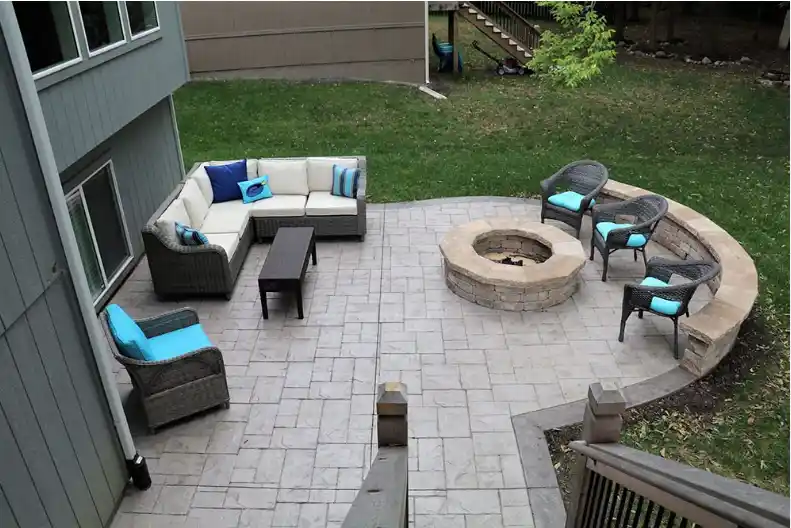
Stamped concrete has become a top choice for homeowners because it offers a high-end look without high cost and long-lasting strength in Milwaukee weather. One of the best ways to upgrade your small space is by installing a stamped concrete patio. It’s affordable, durable, and gives you the look of expensive materials without the extra maintenance. In this guide, we’ll break down the most popular stamped concrete patio designs for small outdoor spaces and help you choose the right style for your home. Popular Stamped Concrete Patio Designs for Small Outdoor Areas Below are the most trending and practical designs that fit perfectly in compact yards, side yards, corner patios, or narrow outdoor spaces. 1. Ashlar Slate Pattern — A Classic, Modern Look Ashlar slate is one of the most popular stamped concrete designs. It gives your patio a high-end stone look without the cost of real stone. Why it’s perfect for small spaces: Clean lines make the area look more open Works well with modern, traditional, or minimalist homes The pattern doesn’t feel overwhelming in tight areas You can choose gray, charcoal, tan, or multi-tone colors to match your home exterior. 2. Stone Texture — Simple and Elegant If you want something subtle and natural, seamless stone is a great choice. It has no defined pattern — just a smooth, stone-like texture. Best for homeowners who: Prefer a clean and simple look Want a patio that blends into the landscape Need a design that makes small areas feel bigger This style looks beautiful with patio furniture, fire pits, or potted plants. 3. Wood Plank Stamp — Rustic and Cozy Want the warm look of wood without the maintenance? Wood plank stamped concrete is perfect. It mimics real wooden boards but lasts much longer. Why it’s great for small patios: Gives a warm, inviting feel Makes narrow spaces look longer Ideal for relaxing corners, grilling areas, or backyard seating Choose from cedar, dark walnut, driftwood, or gray-wash shades. 4. Cobblestone or Brick Pattern — Charming & Traditional For Milwaukee homeowners who love a classic look, cobblestone and brick patterns are beautiful options. Best features: Adds character to small yards Perfect for older homes or vintage-style backyards Available in red, brown, charcoal, or blended colors This design pairs perfectly with flower beds, garden borders, and fences. 5. Flagstone Pattern — Natural Stone Appeal Flagstone stamped concrete gives your patio the elegant, irregular look of natural stone without the high cost. Why people love it: Works in both small and large patios Has a natural, outdoor-friendly feel Excellent for patios with grills, fire pits, or seating Milwaukee homeowners love this for its durability and eye-catching texture. 6. Border Designs for Added Depth Borders are a smart design trick for small patios because they make the area look more defined and spacious. You can add: A darker border around a lighter center A contrasting pattern Curved edges for a softer look Borders give your patio a professional and polished finish. 7. Multi-Color Stamping — Make Your Small Space Stand Out Stamped concrete isn’t just about patterns—the color is equally important. Multi-tone finishes add depth, character, and realism. Popular color combinations for Milwaukee homes: Charcoal + Medium Gray Tan + Walnut Slate Gray + Stone Brown Terracotta + Charcoal These blended shades give the patio a natural, premium appearance. Tips for Choosing the Right Stamped Concrete Design for a Small Patio To make your small outdoor space look bigger and more welcoming: Choose lighter colors — they make spaces feel open Pick patterns with larger stones or simpler lines Avoid busy or tight patterns (they make areas look smaller) Add curves or round shapes to soften edges Combine a border for extra depth If you’re unsure, our stamped concrete contractors in Milwaukee can help you visualize what will look best in your yard. Why Hire a Professional Concrete Contractor in Milwaukee? Stamped concrete requires skill, the right equipment, and proper timing, especially in Milwaukee’s unpredictable weather. A professional ensures: Proper concrete mix for freeze-thaw cycles Even stamping with clean lines Long-lasting color and texture Smooth, level patio installation Sealing that protects from moisture and salt A poorly installed patio can crack, fade, or lose its pattern quickly. A professional installation lasts decades. FAQs: Stamped Concrete Patio Designs 1. Is stamped concrete good for small patios? Yes! Stamped concrete is perfect for small spaces because it creates a seamless look that makes the area appear larger and more polished. 2. How long does a stamped concrete patio last in Milwaukee? With proper sealing and maintenance, stamped concrete can last 25–30 years, even with Milwaukee weather. 3. Can I choose custom colors for my stamped patio? Absolutely. You can select single or multi-tone colors to match your home exterior, landscape, or furniture. 4. How often should I seal a stamped concrete patio? Most patios should be sealed every 2–3 years, depending on traffic, weather, and exposure to moisture. Conclusion: A small outdoor space doesn’t limit your design options with stamped concrete; you can create a patio that looks beautiful, feels spacious, and lasts for years. Whether you prefer a simple stone texture or a bold wood plank pattern, stamped concrete gives you endless possibilities at an affordable price. If you’re ready to upgrade your outdoor living area, Curbside Concrete Contractors can help you choose the perfect design and install a patio built to handle Milwaukee weather.

Maintenance Tips After a Concrete Driveway Install
Concrete Driveway

Concrete Driveway Maintenance Tips in Milwaukee

A brand-new concrete driveway installation instantly boosts your home’s curb appeal and adds real value to your property. However, it requires proper care and maintenance to remain strong and smooth for years. Milwaukee homeowners know how harsh their weather can be. From freezing winters to hot summers, constant temperature changes can take a toll on any concrete surface, especially your driveway. Whether you’ve just installed a new driveway or want to extend the life of your existing one, this guide provides the most effective concrete driveway maintenance tips to help protect your investment. Tips For Concrete Driveway Care and Maintenance 1. Give It Time to Cure After the concrete driveway installation, patience is your best friend. Concrete needs time to cure and reach full strength. Avoid parking cars for at least 7 days after installation. Heavy vehicles or equipment should be kept off the road for about 28 days. Don’t apply sealers or cleaning chemicals too early — wait until the curing process is complete. A properly cured driveway prevents cracking, scaling, and surface damage in the future.   2. Keep It Clean Milwaukee’s weather brings dirt, leaves, and even salt onto your driveway. Over time, these can stain or weaken your concrete. Make it a habit to clean your driveway regularly: Sweep off dirt and debris weekly. Rinse it with water every few weeks. For oil or grease spills, use a mild concrete cleaner or detergent — the sooner, the better. Maintaining cleanliness not only improves appearance but also prevents buildup and chemical damage over time. 3. Seal Your Driveway Every 2–3 Years One of the most effective ways to protect your concrete driveway in Milwaukee is by sealing it. A good concrete sealer acts like a shield — it blocks moisture, chemicals, and stains from seeping into the surface. Here’s why sealing matters: It prevents freeze-thaw damage in winter. It protects against salt and de-icing chemicals. It makes cleaning easier and extends the lifespan of your driveway. A penetrating sealer is ideal for your climate. 4. Avoid Using Harsh De-Icers Milwaukee winters mean ice and snow, but be careful what you use to melt it. Most chemical de-icers contain salts that can eat into your concrete. Avoid calcium chloride and ammonium sulfate products. Instead, use sand or kitty litter for traction. If you must use a de-icer, pick one labeled as safe for concrete. Also, never chip away ice with sharp metal tools;  they can gouge or crack your surface. 5. Control Water Drainage Standing water is one of concrete’s worst enemies. When water sits on your driveway, it seeps into tiny pores and freezes during cold weather, leading to cracks and spalling. To prevent this: Make sure your driveway is graded properly so water flows away. Keep nearby gutters and downspouts clear. Fill low spots where water tends to pool. A little attention to drainage goes a long way in keeping your driveway strong and stable. 6. Handle Small Cracks Quickly Even the best concrete can develop hairline cracks over time — especially with Milwaukee’s freeze-thaw cycles. The key is to fix them early, before they spread. Use a concrete crack filler or patching compound for small cracks. For larger or uneven areas, it’s best to call a professional concrete repair contractor in Milwaukee. Timely repairs prevent water from getting in and causing bigger structural problems. 7. Don’t Overload Your Driveway Concrete is strong, but it’s not indestructible. Avoid parking hefty vehicles like RVs, trailers, or dumpsters on your driveway for long periods. If you need to load heavy materials temporarily, spread the weight evenly using plywood sheets under the tires or supports. 8. Re-Seal After Harsh Winters After Milwaukee’s long winter, your driveway might need a little TLC. Each spring, check for cracks, salt damage, or fading sealer. Re-seal or repair as needed before the next winter hits. Regular post-winter maintenance ensures your driveway stays smooth, safe, and looking new year after year. Why Professional Maintenance Matters Homeowners can do basic upkeep, but professional inspections and sealing every few years can make a big difference. Experienced concrete contractors know how to identify early damage, apply the right sealer, and keep your driveway protected from local weather challenges. At Curbside Concrete Contractors Milwaukee, we use premium sealers and repair materials that stand up to Wisconsin’s freeze-thaw cycles. Our goal is to help your driveway last for decades without cracks, stains, or surface wear. Conclusion Concrete driveways are easy to maintain if you follow a few simple steps. Keep it clean, seal it every few years, and fix small cracks before they grow. These small steps will help your driveway last longer and look great year-round. FAQs About Concrete Driveway Maintenance 1. How soon should I seal my new concrete driveway? Usually, you can seal your driveway after 30 days, once it has fully cured. Sealing too early can trap moisture inside. 2. How often should I re-seal my driveway? Every 2 to 3 years is ideal, depending on Milwaukee’s weather and the volume of traffic your driveway receives. 3. What can I do about small cracks? Small cracks can be filled with a concrete crack sealer. For wider or spreading cracks, contact a professional concrete contractor for repair. 4. Can I use salt to melt ice on my driveway? Avoid it whenever possible. Salt damages concrete over time. Use sand or eco-friendly de-icers instead.

How Milwaukee Weather Affects Your Garage Concrete Slab
Concrete foundation & slabs

How Milwaukee Weather Affects Your Garage Concrete Slab

How Milwaukee Weather Affects Your Garage Concrete Slab Milwaukee residents are familiar with the unpredictability of the weather. One day it’s sunny, the next day it’s raining, and by winter, snow and ice take over for months. The changing weather affects garage concrete slabs in more ways than we realize. Your garage slab isn’t just a floor; it carries the weight of your vehicles, storage items, and daily traffic. When weather extremes hit Milwaukee, your concrete can take a real beating. Let’s break down how your local climate impacts garage slabs, common problems you might see, and what you can do to keep your concrete strong for years. Freeze and Thaw Cycles – The Biggest Enemy One of the biggest challenges in Milwaukee is the constant freeze-thaw cycle that occurs during the fall, winter, and spring. Here’s what happens: Over time, this freeze-thaw process causes spalling, cracks, and uneven slabs. This is why many homeowners notice their garage floors looking rough after a few winters. Salt and De-Icing Chemicals In Milwaukee, road salt and de-icing products are used to keep driveways and streets safe during winter. Unfortunately, when you drive into your garage, that salt gets carried in on your car tires. Salt may seem harmless, but it’s actually very damaging to concrete. It breaks down the protective surface layer and allows more water to seep inside. This results in pitting, scaling, and faster deterioration of your garage slab. Heavy Snow and Water Drainage Winter snow piles up, and when it melts, it often leaves behind puddles in your garage. Water sits longer on the slab due to poor drainage. Garages with standing water are at risk for moisture damage and mold growth. Summer Heat and Expansion Milwaukee summers may not be as extreme as Arizona or Texas, but heat still affects concrete. During the warm months, concrete expands. If your garage slab wasn’t installed with proper control joints or spacing, expansion can cause cracking. Pair that with the occasional summer storm, and your garage slab deals with a lot of stress all year round. Signs of Weather Damage on Garage Slabs As a homeowner, it’s essential to be aware of the early signs of weather-related damage. Some things to watch for include: How to Protect Your Garage Concrete Slab in Milwaukee The effects of local weather on garage slabs have been explained; let’s move on to solutions. With the right steps, you can make your concrete last for decades. 1. Seal Your Concrete Applying a high-quality concrete sealer creates a protective layer that resists water, salt, and chemical damage. It’s best to reseal your garage slab every 2–3 years, especially in Milwaukee, where winters are harsh. 2. Improve Drainage Make sure water doesn’t pool inside your garage. Simple changes, such as adjusting the slope, adding drains, or using a squeegee after storms, can make a significant difference. 3. Clean Regularly Sweep away dirt and rinse off salt buildup during winter. Keeping your slab clean helps prevent chemicals from sitting on the surface for too long. 4. Repair Cracks Early Don’t wait until cracks spread. Small repairs are affordable and prevent much bigger problems down the road. 5. Use Mats or Trays in Winter Garage floor mats or trays under vehicles catch melting snow, ice, and salt before they soak into your concrete. This simple step protects your slab during peak winter months. Why Professional Help Matters DIY maintenance can help, but when cracks, sinking, or major surface damage appear, it’s best to call professional concrete repair and resurfacing contractors in Milwaukee. Experts can evaluate whether you need resurfacing, slab leveling, or even replacement. A professional team ensures your garage slab is built to last, using the right mixes and practices tailored to Milwaukee’s weather conditions. Final Thoughts Your garage’s concrete slab silently endures snow, ice, salt, water, and heat year after year. Without proper care, it can crack, chip, or wear out much faster than expected. Simple maintenance and professional support can keep your garage slab strong for decades. If you’re already noticing cracks, uneven spots, or salt damage on your garage floor, don’t wait until it gets worse. At Curbside Concrete Contractors Milwaukee, we utilize high-strength concrete mixes and sealing methods that withstand freeze-thaw damage, road salt, and heavy vehicle loads.  

Scroll to Top