Concrete is strong, But it can crack if the conditions aren’t right. If you understand why cracks happen, you can stop a lot of damage before it starts. This guide explains the real reasons concrete cracks and what you can do to protect it.
Why Does Concrete Crack?
Concrete cracking is common. Even perfectly installed concrete can develop hairline cracks. But there are clear reasons behind them.
1. Shrinkage While Drying
Concrete shrinks as it dries. When the water evaporates, the slab gets tighter and pulls from the inside. This tension creates small cracks, especially when the mix has too much water. Shrinkage cracks usually appear soon after installation.
2. Freeze–Thaw Cycles
Milwaukee weather is tough on concrete. Moisture enters tiny pores in the slab. When winter comes, the water freezes and expands. When it melts, the concrete contracts again. This repeated pressure causes cracks on the surface and inside the slab.
3. Heavy Loads and Traffic
Driveways, garage floors, and concrete sidewalk and walkways take a lot of weight. Cars, trucks, snow blowers, and even storage items can stress the concrete. Over time, too much weight creates cracks, especially if the slab wasn’t reinforced properly.
4. Weak or Poor Soil Conditions
Concrete needs a solid base. If the soil underneath is soft, uneven, or not compacted, the slab can sink or shift. When the ground moves, the concrete moves with it—and cracks appear.
5. Bad Installation Practices
Not all concrete contractors follow best practices. Mistakes that lead to cracks include:
Using the wrong water ratio
Skipping reinforcement
Not placing control joints
Finishing the concrete too early
Pouring on an unstable base
These issues weaken the slab from day one.
Identifying Signs of Concrete Damage
Concrete gives early hints before major damage happens. If you catch these signs early, you can fix the issue quickly and avoid bigger problems.
- Hairline Surface Cracks
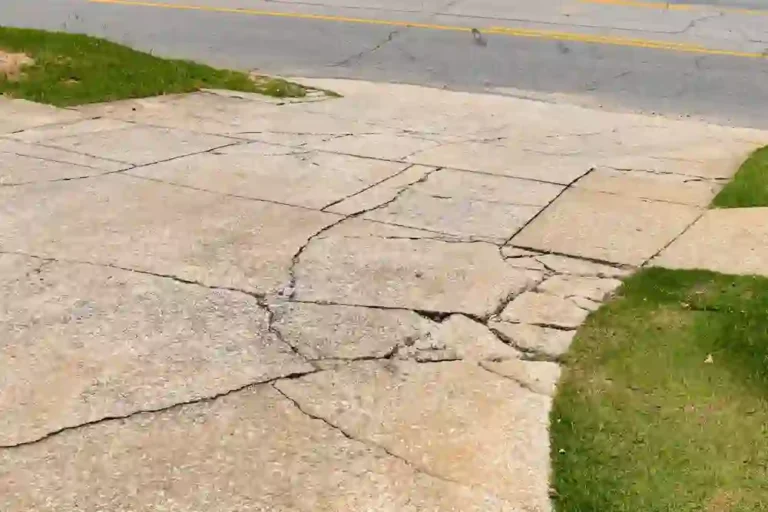
These tiny cracks look harmless but can grow over time. They usually form from shrinkage or light surface stress.
- Wide or Deep Cracks
If you see wide cracks, it means the slab is under heavy stress. This may be from soil movement, heavy weight, or frost damage. These cracks should not be ignored.
- Uneven or Sunken Sections
If one area of concrete dips or rises, the soil under it is moving. This is common in older driveways or areas with poor drainage.
- Chipping, Flaking, or Spalling
The top layer of concrete starts breaking off. This is usually caused by freeze–thaw cycles, road salt, or poor finishing.
- Moisture Stains or Rust Marks
Rust-colored stains can mean the steel reinforcement inside the concrete is corroding. This is a serious issue that needs fast repair.
Underlying Causes of Concrete Cracks
Cracks are the result—but what is causing them underneath?
- Moisture Problems
Too much water weakens concrete. Too little moisture during curing causes stress. Both situations create cracks early in the slab’s life.
- Soil Movement and Expansion
Some types of soil expand when wet and shrink when dry. This movement puts pressure on the concrete above. Milwaukee has areas with clay-heavy soil, which makes this a common issue.
- Temperature Changes
Concrete expands when it’s hot and shrinks when it’s cold. Without proper joints, the concrete cracks because it has no room to move naturally.
- Lack of Reinforcement
Rebar and wire mesh help hold the slab together. Without reinforcement, concrete can’t handle stress properly.
- Incorrect Pouring Conditions
Pouring concrete in extremely hot, cold, or wet weather creates weak spots. Weather affects concrete more than people realize.
How to Prevent Concrete Cracks Before They Start
You can’t control the weather, but you can control how your concrete is installed and maintained. These steps greatly reduce the chances of cracking.
1. Hire Skilled Milwaukee Concrete Contractors
The best way to prevent cracks is proper installation. Professionals know the right mix, reinforcement, and curing process for local weather conditions. At Curbside Concrete Contractors, we provide reliable and professional services for any concrete issue. Call to get free quote. (414) 279-4447
2. Use a Proper Concrete Mix
Balanced water content is important. A strong mix reduces shrinkage and creates a durable slab.
3. Install Control Joints
Control joints give concrete a planned place to crack. These lines help the slab expand and shrink safely without random cracks.
4. Compact the Base Material
A solid base prevents movement and sinking. Gravel and crushed stone should be compacted properly before pouring.
5. Seal the Concrete Regularly
Sealing protects concrete from moisture, salt, stains, and freeze–thaw damage. Most Milwaukee homeowners should seal every 2–3 years.
6. Improve Water Drainage
Keep water away from your concrete. Downspouts, gutters, and yard grading help prevent soil movement and erosion.
7. Avoid Heavy Loads on Fresh Concrete
Concrete needs almost a month to gain full strength. Avoid parking heavy vehicles on it too soon.
8. Monitor and Repair Small Cracks Early
Small cracks can be filled before they grow. Early repair saves money and protects the slab long-term.
Protect Your Concrete with Expert Help
Concrete cracking is normal, but many cracks are preventable with the right care. When you hire professionals who understand Milwaukee’s climate, soil, and weather patterns, you get stronger concrete that lasts longer.
If you want a reliable team that handles installation, repair, and maintenance, Curbside Concrete Contractors Milwaukee is here to help. We know how local weather affects concrete, and we use methods that protect your investment for years.
FAQs:
1. Are small cracks normal in new concrete?
Yes. Hairline cracks often happen due to shrinkage. They’re normal but should still be monitored.
2. How often should I reseal my concrete?
Every 2–3 years is ideal for Milwaukee because of winter freeze–thaw cycles.
3. Can concrete cracks be repaired?
Yes. Small cracks can be sealed. Larger cracks may require leveling or resurfacing.
4. What’s the main cause of concrete cracks in Milwaukee?
Freeze–thaw cycles. Water enters the slab, freezes, expands, and creates pressure that leads to cracks.